For cyclists looking for something beyond the usual gran fondo or race calendar, Vätternrundan is worth the trip. It offers not just distance, but a different kind of experience, one that combines scale, endurance, and a unique atmosphere that is hard to replicate elsewhere.
Vätternrundan is one of those rides that doesn’t quite fit into the usual cycling categories. It is not a race in the traditional sense, even if some treat it like one. It is not a casual ride either. At 315 kilometers, it sits in that uncomfortable space where preparation matters, pacing matters, and small mistakes tend to surface somewhere in the middle of the night.
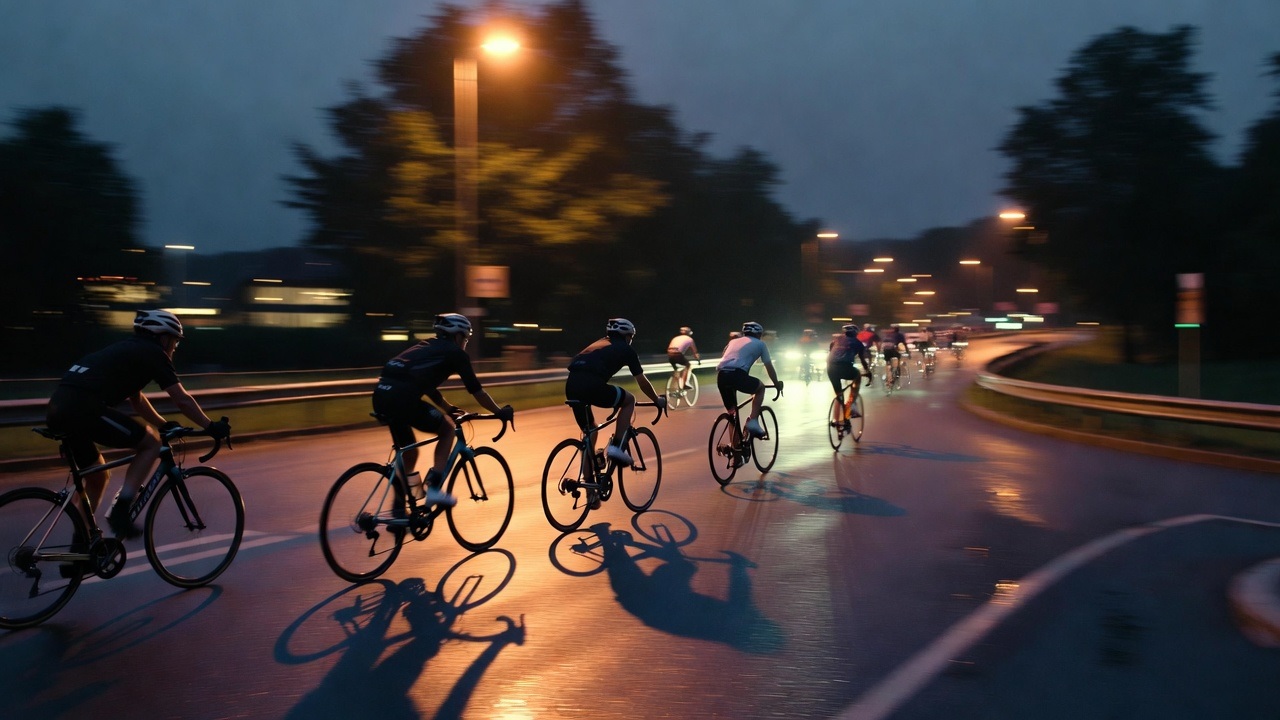
The event takes place in southern Sweden, starting and finishing in the town of Motala, looping all the way around Lake Vättern, the country’s second largest lake. What makes it unique is not just the distance, but the format. Riders start in waves throughout the day and evening, and a large part of the field rides through the night. Headlights stretch out along the roads, groups forming and dissolving, a steady movement that continues hour after hour.
The course itself is not mountainous, but it is far from flat. It rolls constantly, with long shallow climbs and exposed sections where wind off the lake can become a factor. It is a course that rewards restraint early and consistency later. Riders who go out too hard tend to pay for it somewhere after midnight, often when the body starts to push back and the temperature drops.
Riding Through the Night
For many, the defining part of Vätternrundan is the night. This is where the event separates itself from most long distance rides. You leave Motala in daylight, but within hours you are riding in darkness, often surrounded by strangers who quickly become temporary teammates. The social aspect is hard to ignore. Groups form naturally, sharing the workload, rotating at the front, conserving energy.
It creates a different kind of rhythm. Less explosive, more controlled. You are not chasing attacks or reacting to sudden changes. You are settling into something sustainable, knowing you still have hundreds of kilometers ahead. Nutrition becomes critical. So does managing clothing, as temperatures can swing significantly between evening, night, and early morning.
Feed stations are placed along the route, and they are part of the culture of the event. Simple, efficient, and designed for volume. Riders stop briefly, refill, eat, and get back on the road. There is very little downtime. The goal is forward movement.
Part of the Swedish Classic
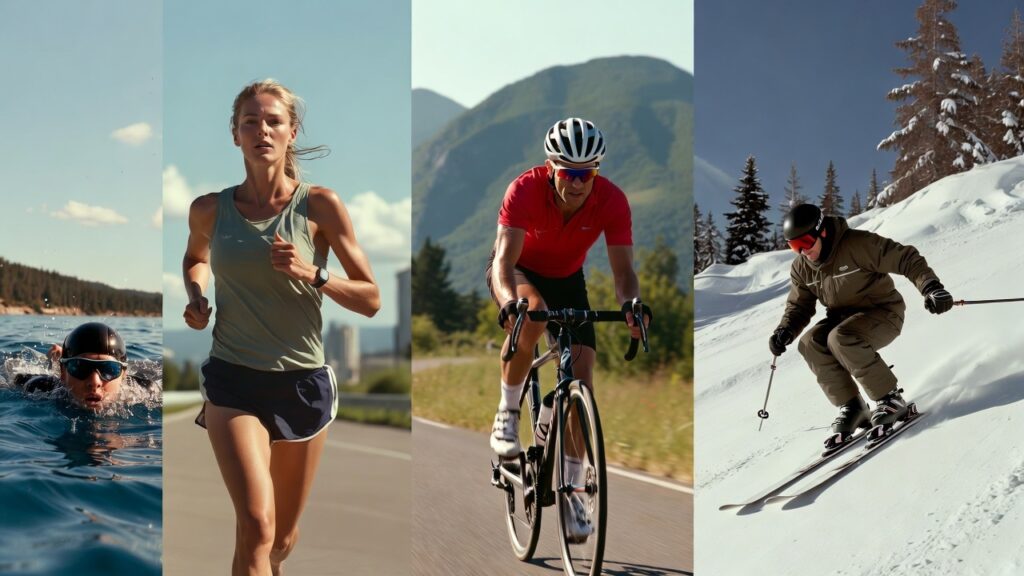
In Sweden, Vätternrundan is often seen as more than just a standalone ride. It is one of four events that make up En Svensk Klassiker, a year long endurance challenge that also includes Vasaloppet, Vansbrosimningen, and Lidingöloppet. Completing all four within twelve months is a well known milestone in Sweden, and for many riders, Vätternrundan is just one stage in that larger journey.
That context changes how people approach the ride. For some, it is a peak event. For others, it is a checkpoint. You arrive with months of training behind you, but you are also thinking ahead. The body has to hold up, not just for this ride, but for what comes next.
Mass Participation at Scale
One of the most striking aspects of Vätternrundan is its size. Tens of thousands of riders take part each year, making it one of the largest organized cycling events in the world. Despite that, it rarely feels chaotic. The wave start system spreads riders out, and the long course naturally creates space.
The field is mixed. You have experienced endurance riders aiming for fast times, club groups riding in tight formations, and individuals focused simply on finishing. That mix is part of the identity. It is not exclusive. It is demanding, but open.
A Different Kind of Challenge
What Vätternrundan ultimately offers is a specific kind of challenge. It is not about explosive power or short term intensity. It is about managing effort over a long period, adapting to changing conditions, and staying consistent when fatigue sets in.
For riders used to shorter events, it requires a shift in mindset. You have to think ahead. You have to ride within yourself. And you have to accept that at some point, things will feel difficult. That is part of the experience.
Crossing the finish line in Motala, often in the early morning light, carries a particular kind of satisfaction. Not because you won, but because you managed the distance, the night, and everything in between. And for those taking on the Swedish Classic, it is not the end. It is just one part of a much longer effort.